My grandfather was a man of few words. When he called, silence would often stretch so long that we’d think the line had gone dead. Just as we were about to hang up, his voice would cut through—soft but deliberate, drawn out in the slow Southern cadence he never lost: “Saaay…” A pause, then something sparse, almost weightless—“I was thinking I could bring over some plums.” It was his way of holding space, a lingering presence in the gaps between words.
But silence can carry violence, too. My grandfather was a man whose quiet nature concealed a lifetime of harm—his presence in my mother’s life, and in the life of her sister, was marked by abuse and emotional distance, wounds that extended far beyond their childhood. My grandmother, though not physically abusive, bore her own responsibility—she knew what was happening and did nothing. Her silence, too, shaped them.
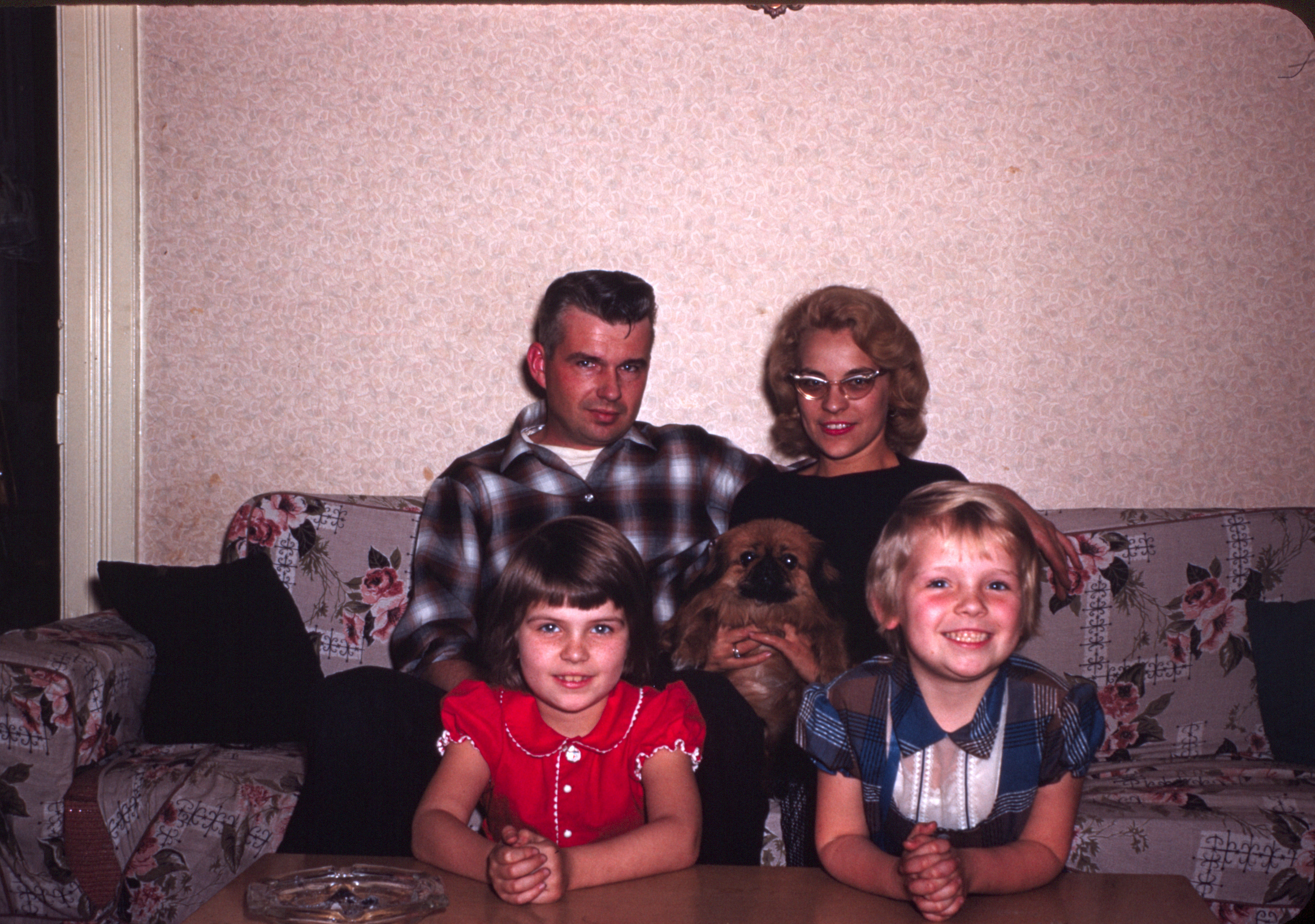
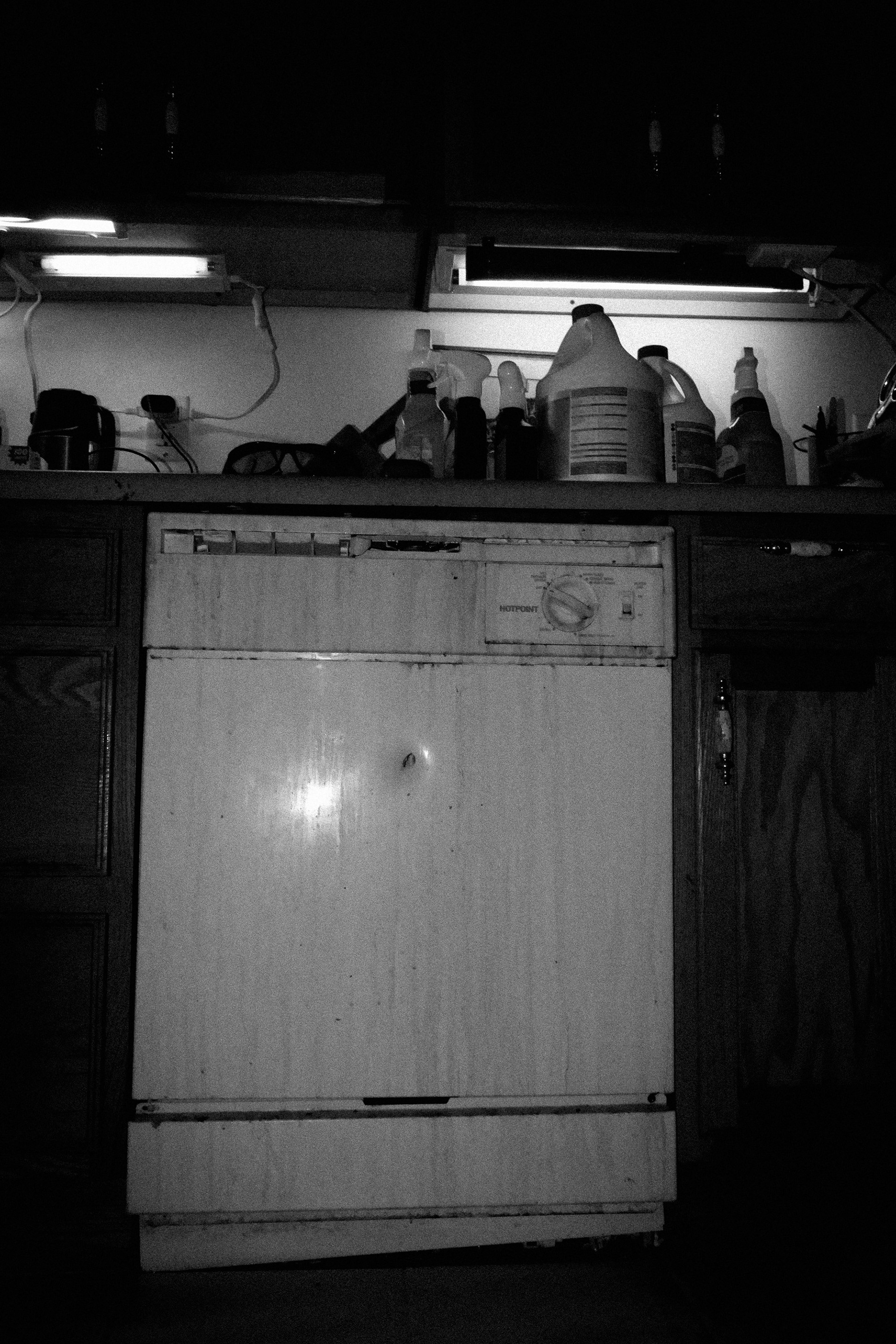
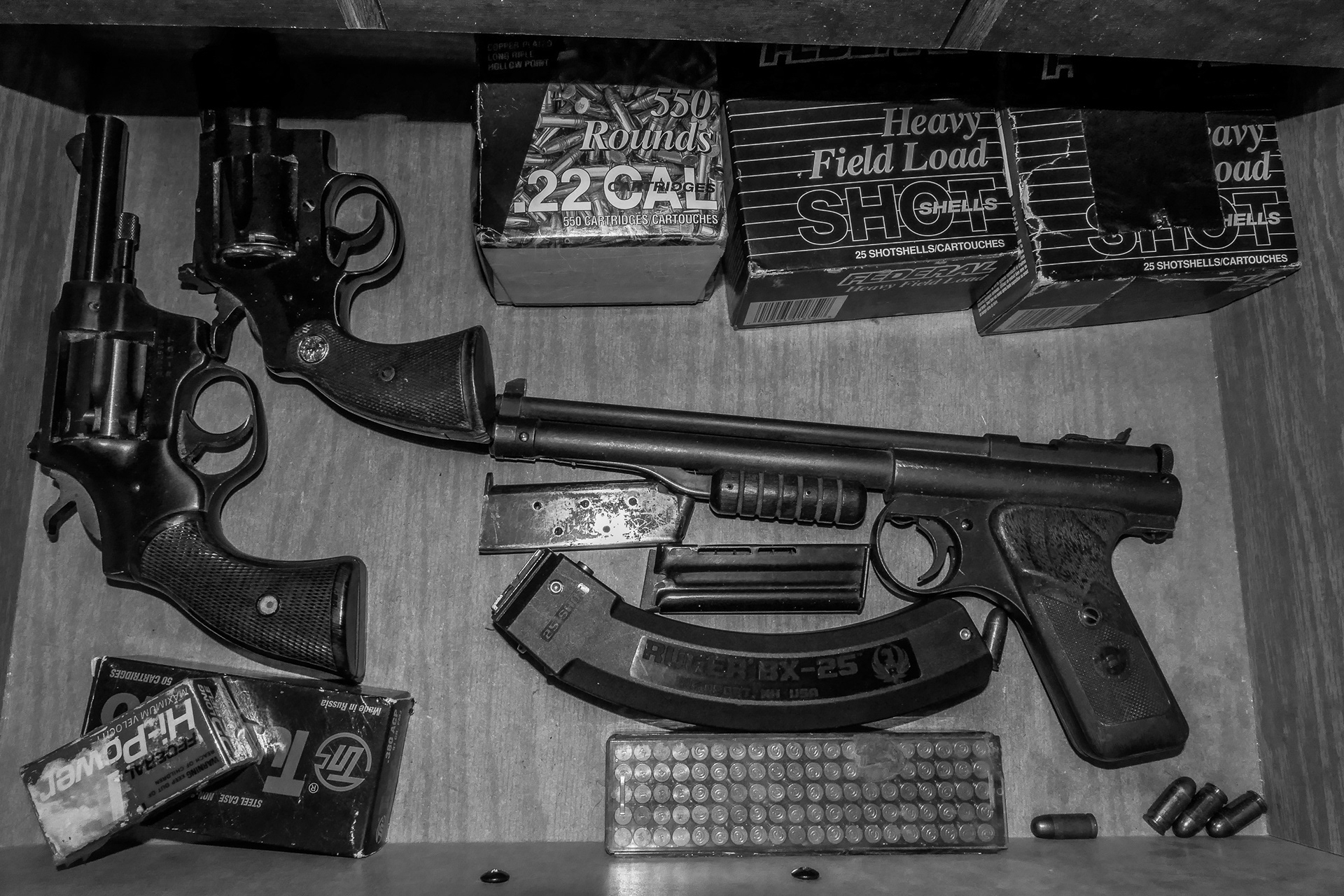
At 95, my grandfather took his own life. Whether it was pain, blindness, or the kind of loneliness that calcifies over years of isolation, I don’t know. What I do know is that I arrived at his home just after my parents had scraped his blood from the tile. All that remained was the bullet hole in the dishwasher. In the days that followed, I photographed his house in Prescott Valley—a place heavy with contradiction, filled with the echoes of two people whose presence shaped my family in ways both creative and corrosive.
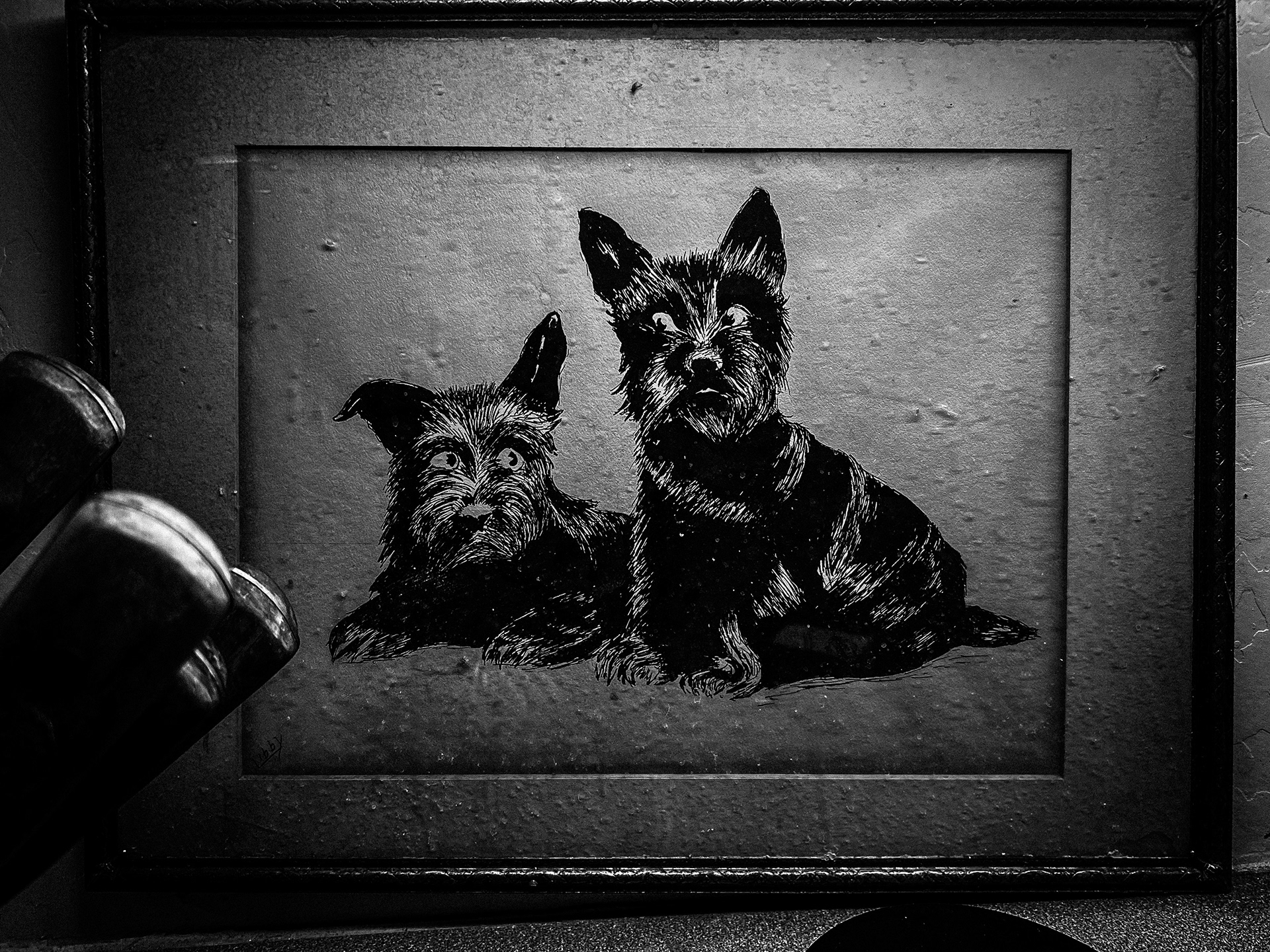
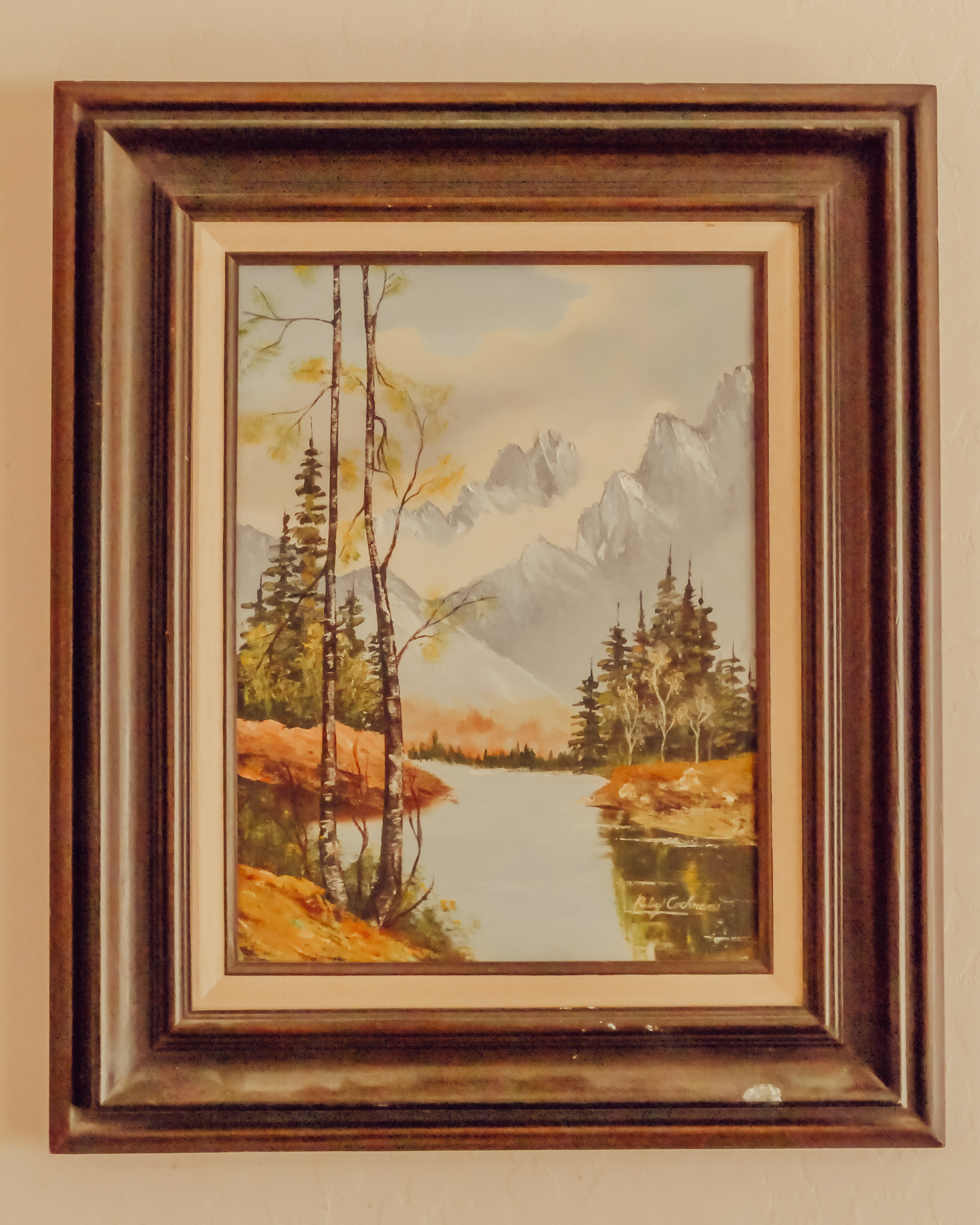
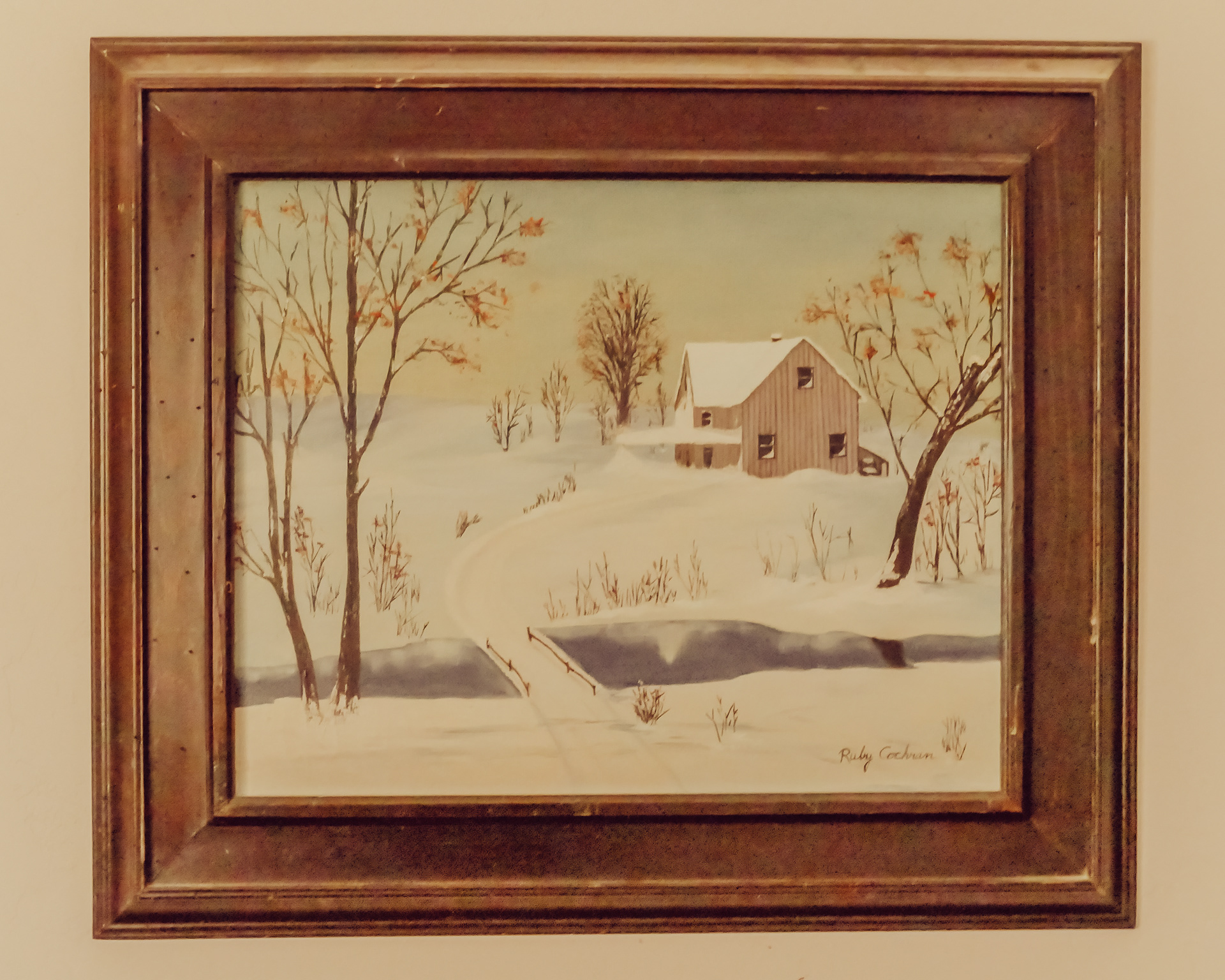
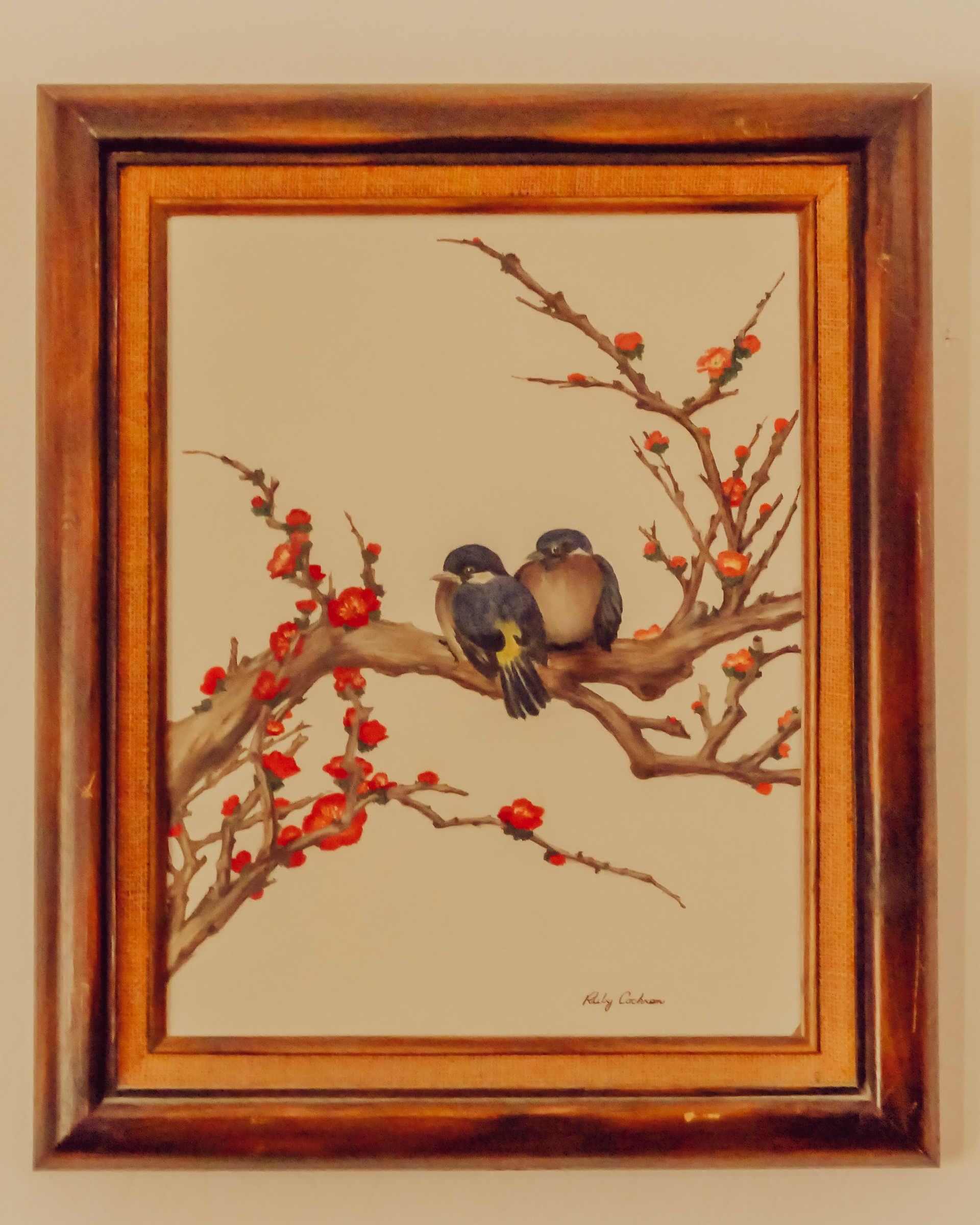
I went there to support my mother and father as they navigated the process of closing out his affairs, but I also went as an artist—to document not only their deaths but their lives. In the same space where I found his rifles, bullets, and scopes, I found the remains of my grandmother’s artistic world: the ceramics she shaped, the novels she wrote and sent to publishers, the oil paintings, the watercolors and acrylics, the Victorian doll-making books, the Singer sewing machine, the Oliver patterns for elaborate period dresses. A lifetime of creation, methodical and meticulous, tucked away alongside a lifetime of complicity.
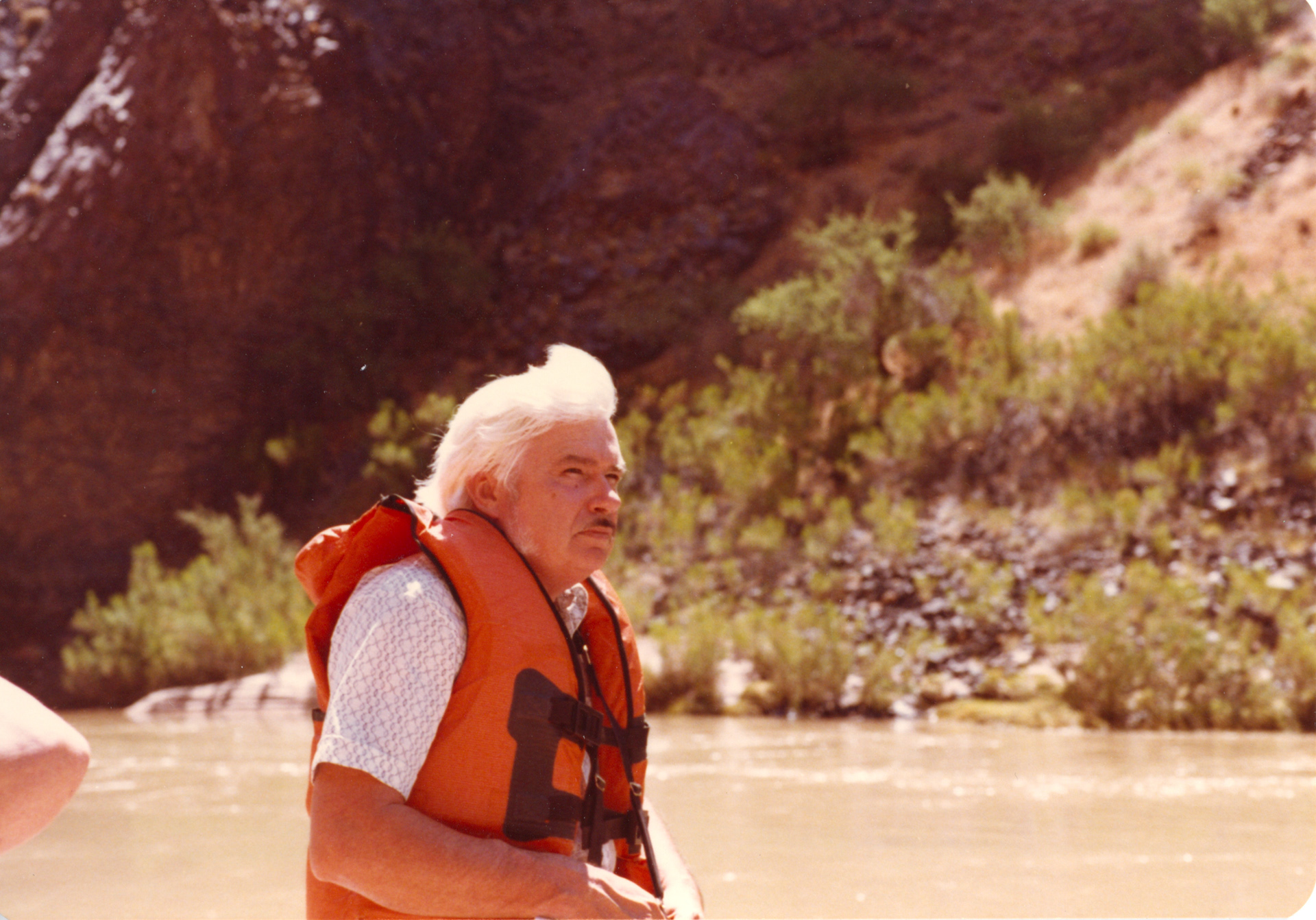
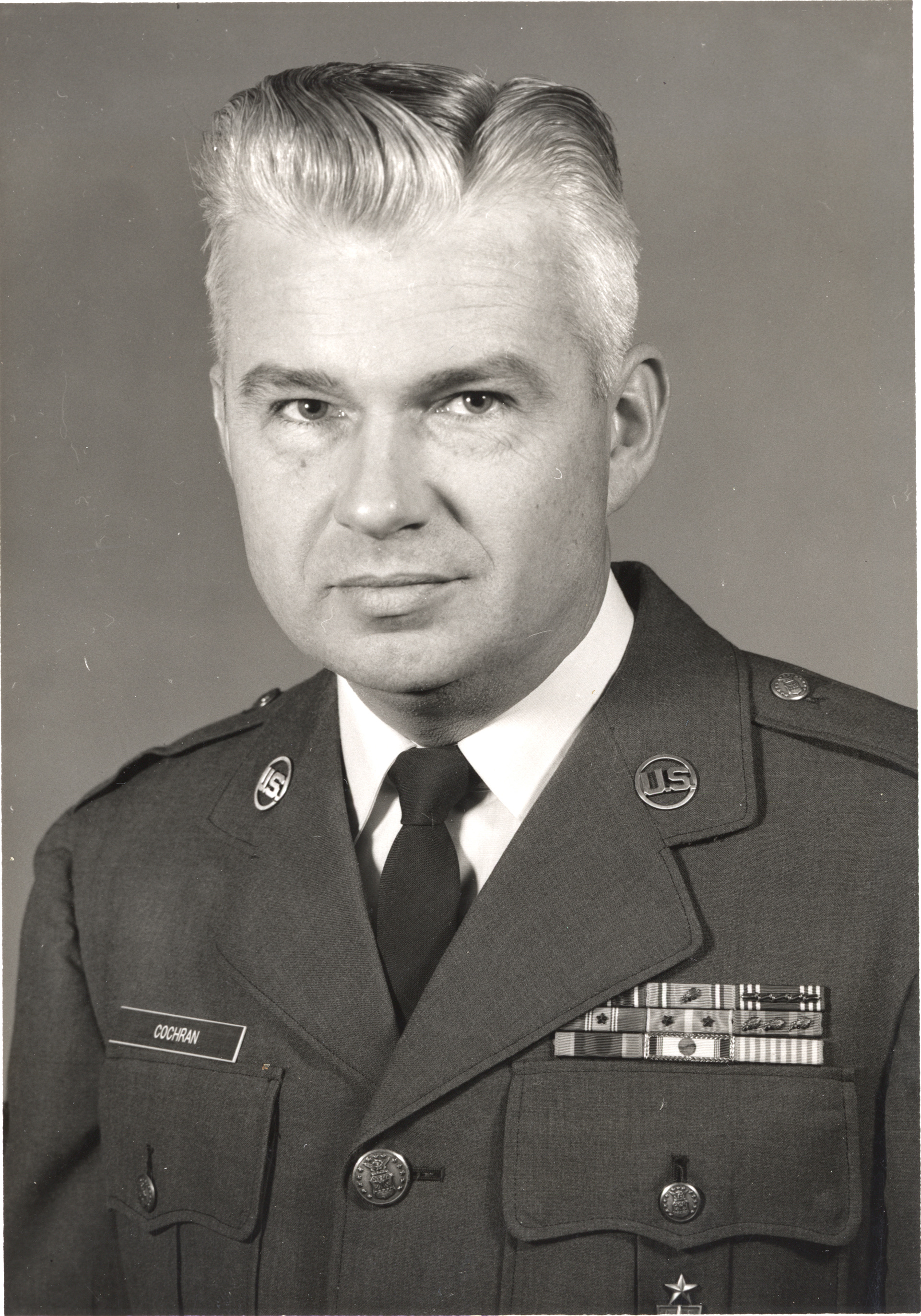
My grandfather, too, left something behind. Though he rarely spoke, he saw. In a box of old slides, I found his photographs—images of his early life with my grandmother, their travels, their home, and fragments of my mother, my aunt, and myself that I have yet to see. He was, if nothing else, a documentarian. Whether his photography was an extension of his silence or an attempt to bridge it, I don’t yet know. But his images, like his presence, linger.

My Nana, Ruby Gail Cochran (Oliver)
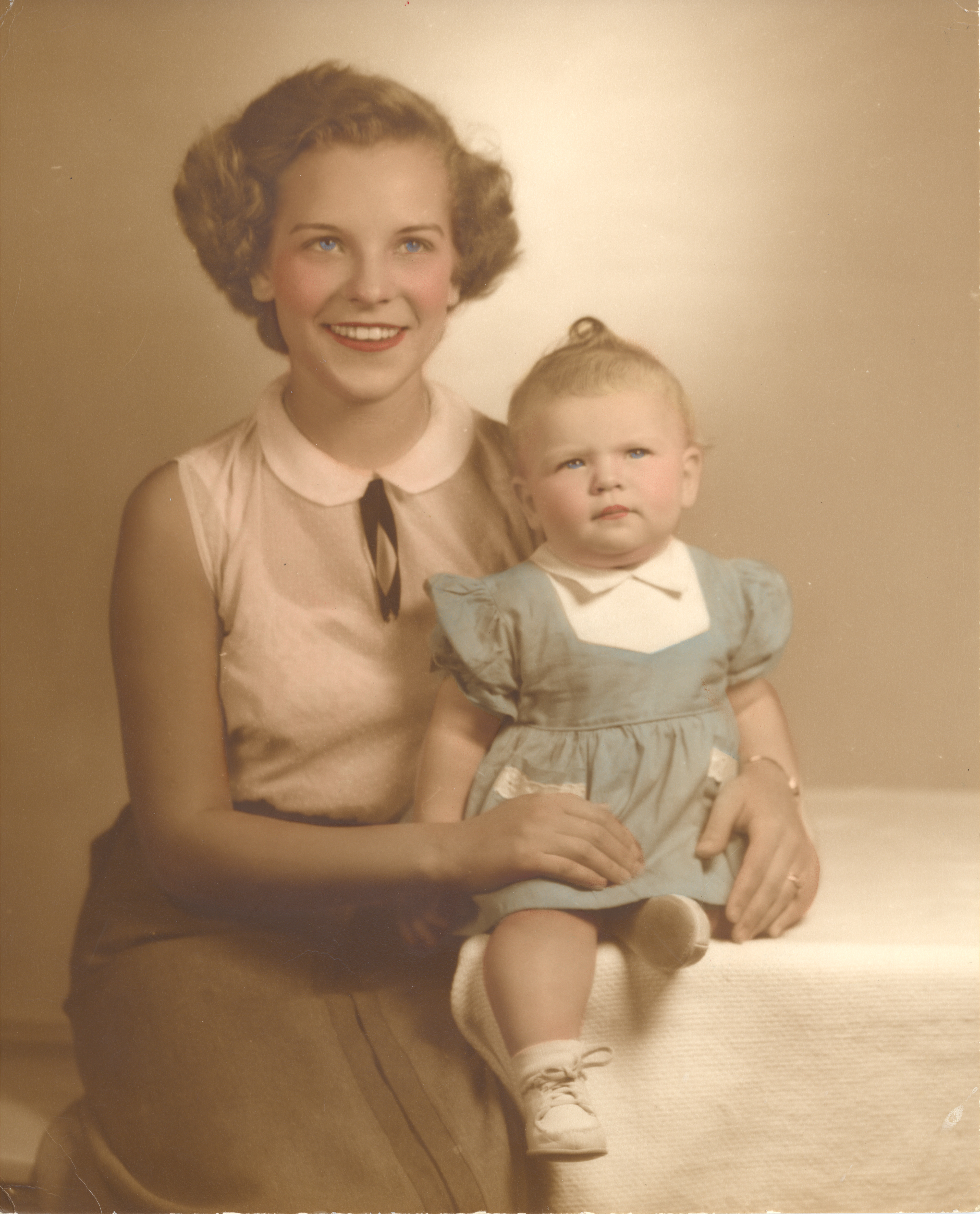
Nana and my Ma

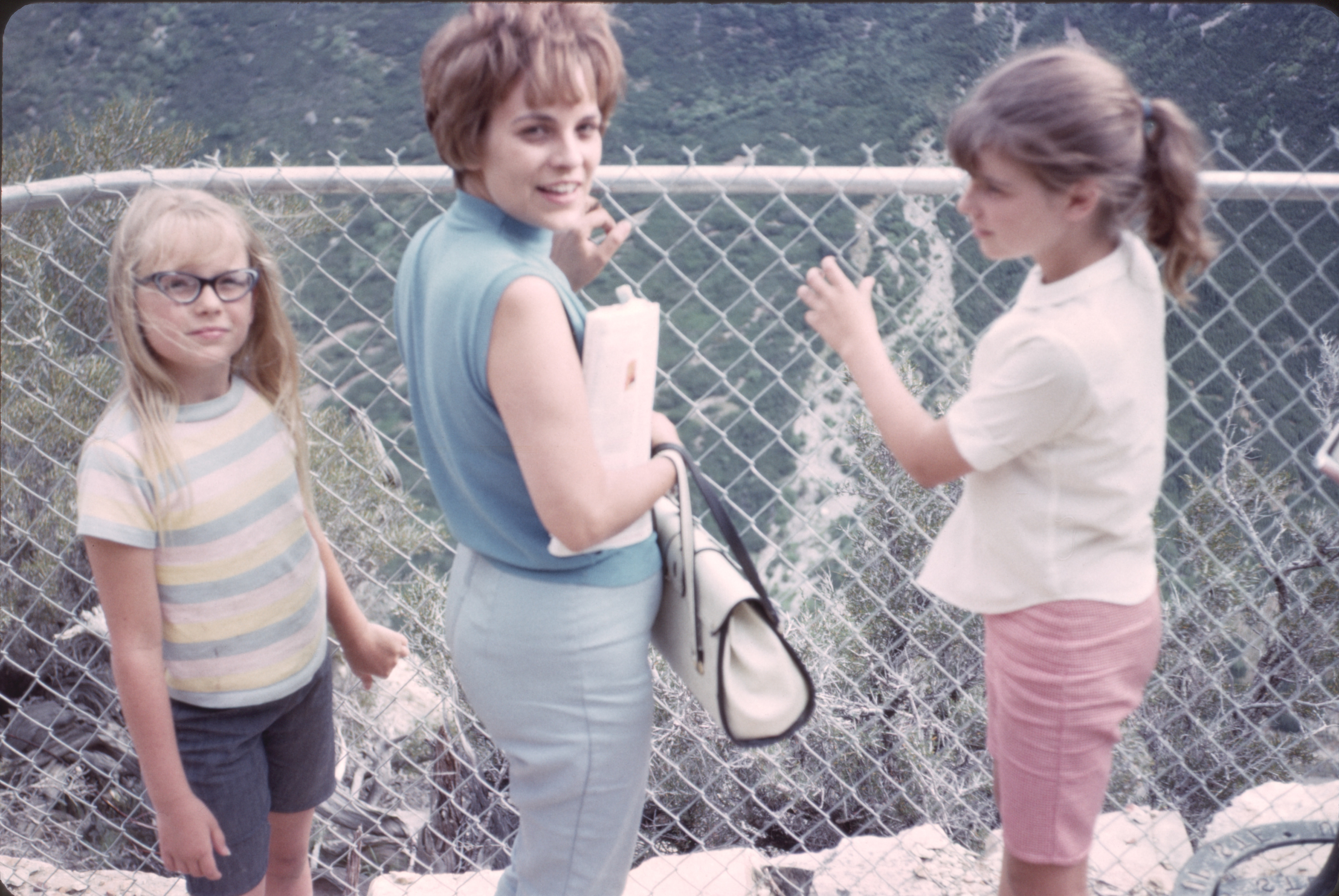
Aunt Cathy, Nana and my Ma
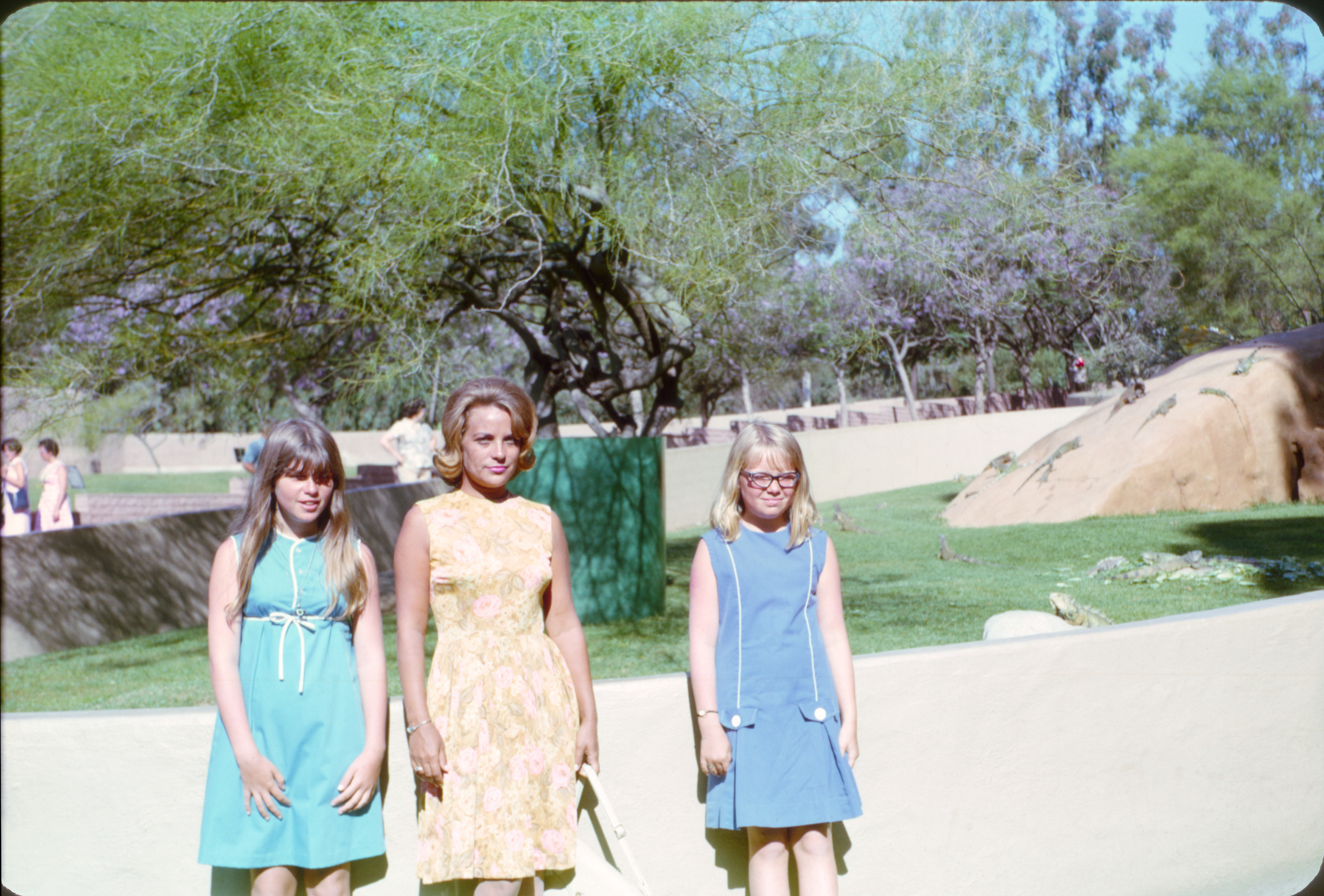
Ma, Nana and Aunt Cathy at the San Diego Zoo.
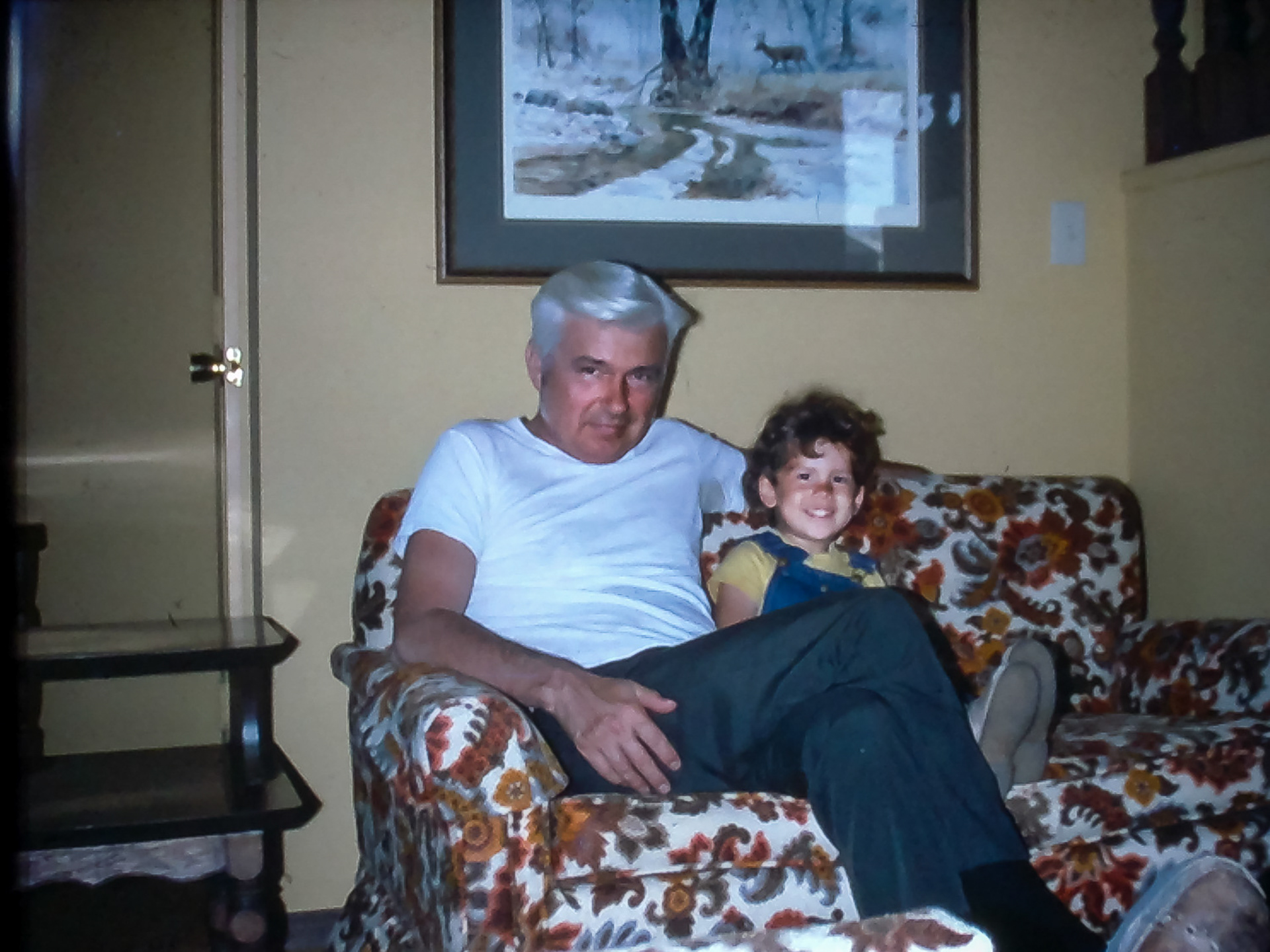
Me with my Gramps. He's only inches 40s here and already completely white.

Nana and Gramps and my mom's second wedding. (They weren't invited to the first)
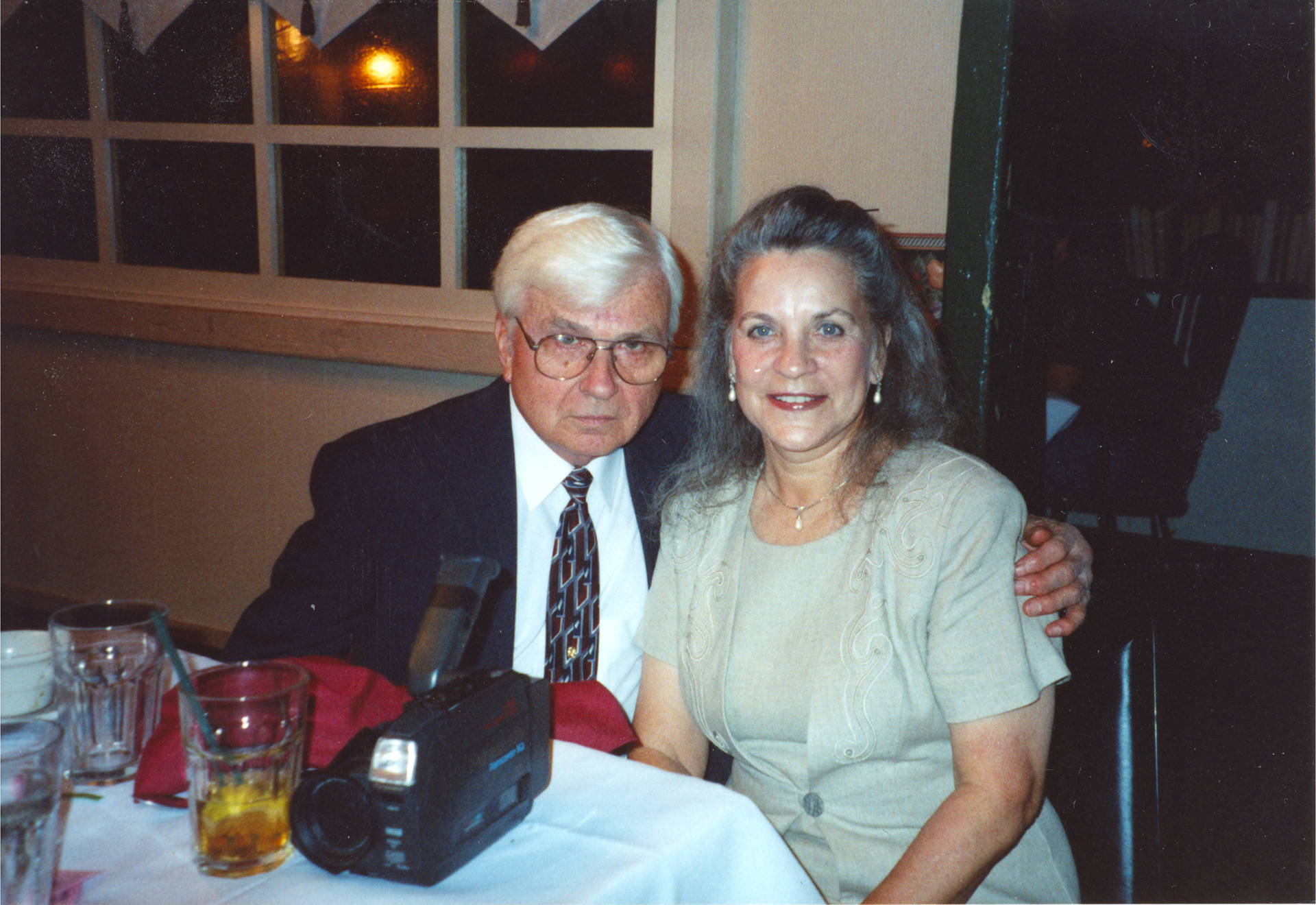
Gramps and Nana at my first wedding (they didn't make it to the second)
My grandmother had once been a progressive force in our family—a woman who dedicated her life to public health, who helped victims of sexual assault. But in the years before her death, something changed. Like my grandfather, she became fiercely conservative, embracing an ideology that stood in stark contrast to the empathy she once embodied. My grandfather, a devoted Trump supporter to the end, had always spoken of walls and borders, of exclusion. One of the last things he said to my mother was that she and my father should leave their “illegal alien house” in California and take over his home in Arizona. A final offering, wrapped in racism.
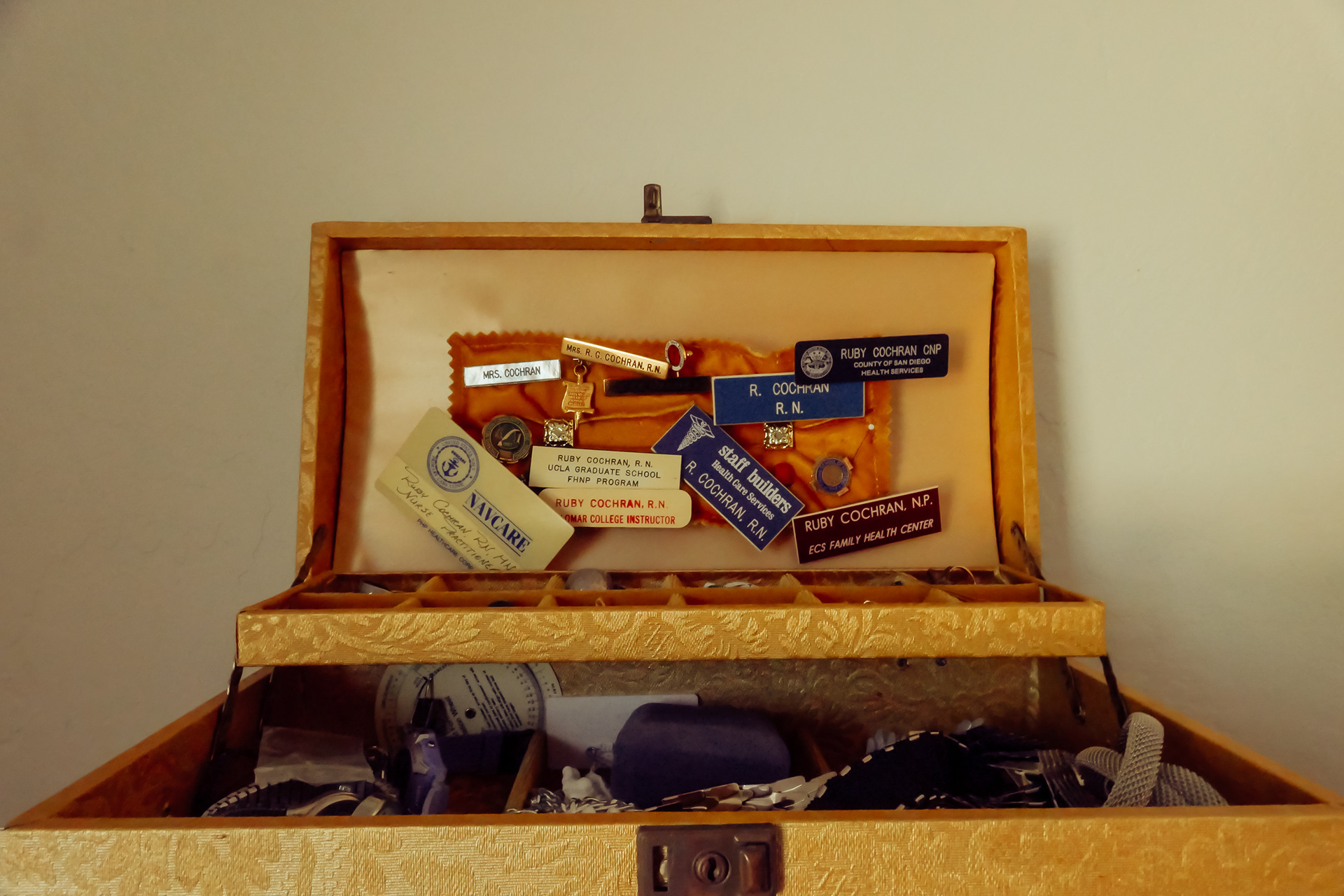
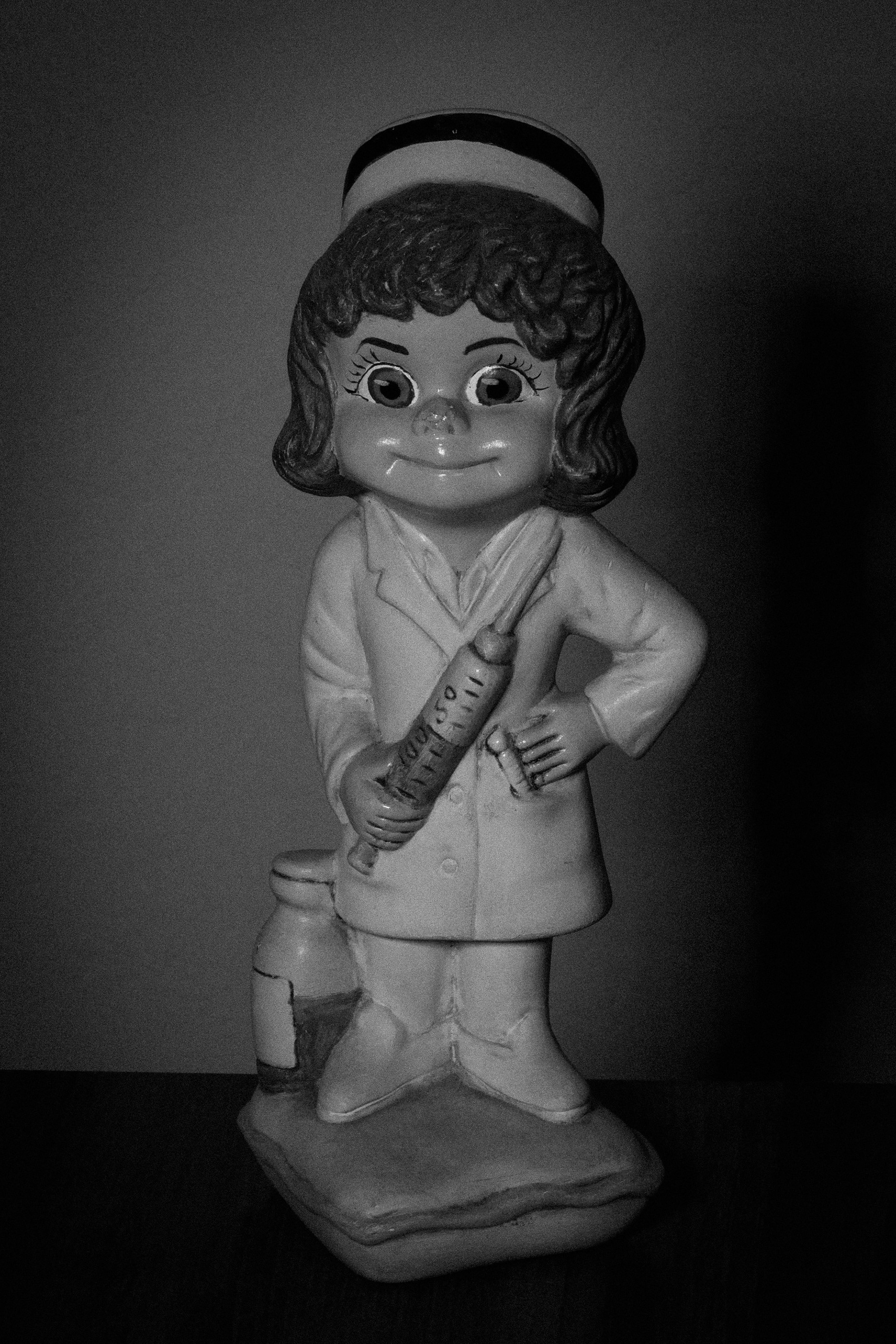
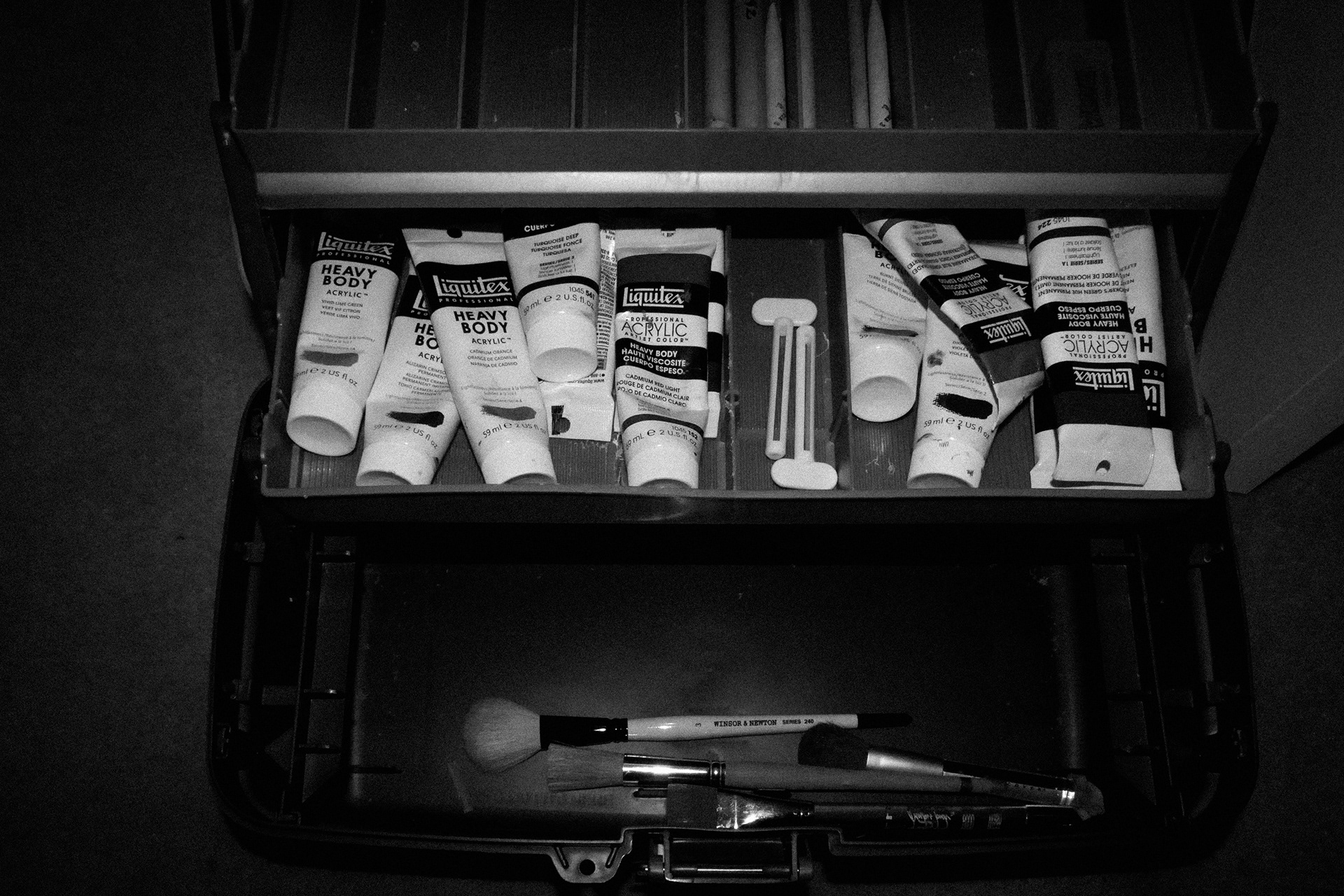
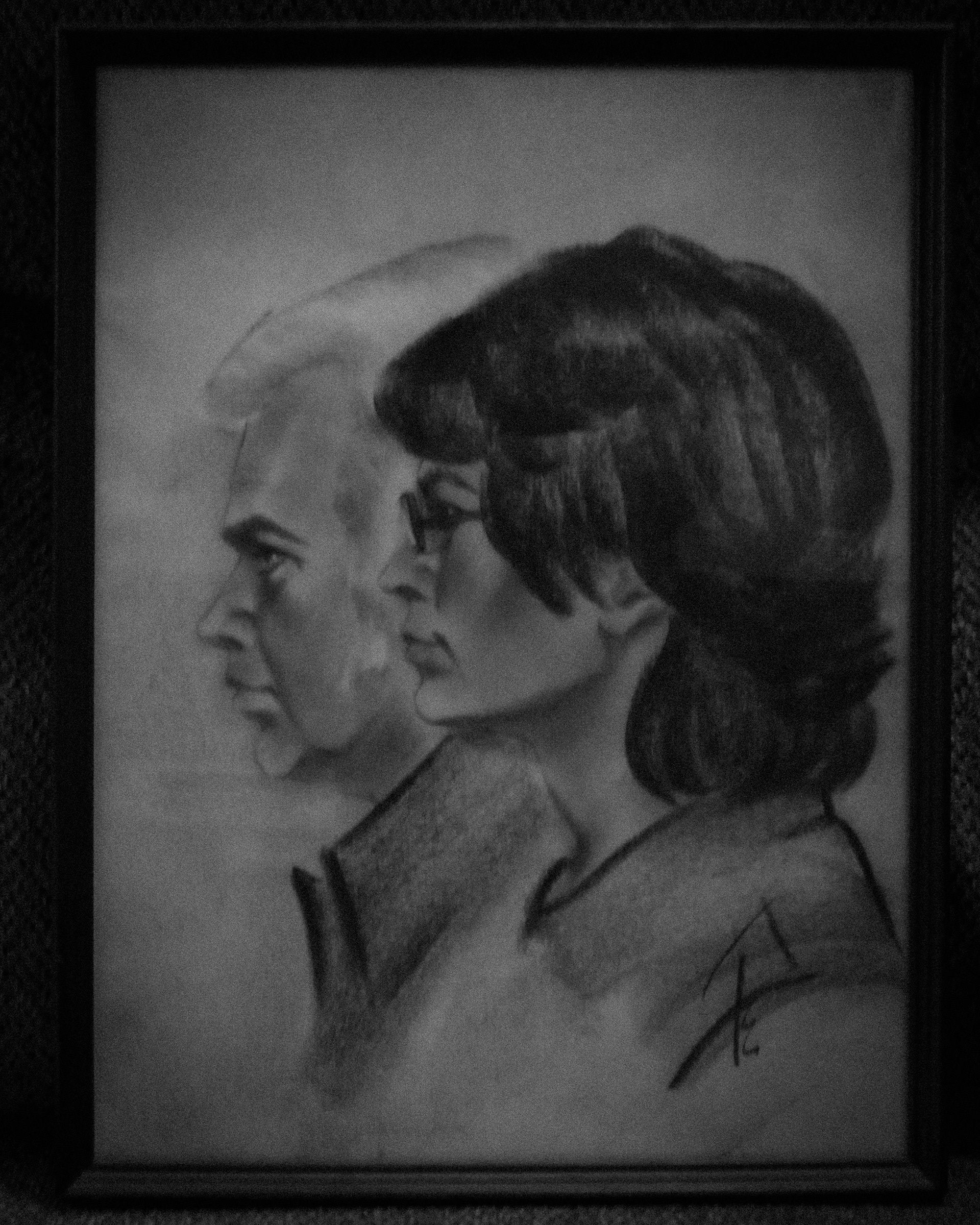
Say… is a meditation on presence and loss, on the way silence holds both love and cruelty. It exists in the in-between—between documentary and constructed memory, between stillness and rupture. It pulls from the quiet force of personal documentary, the raw intimacy